As you all know, the GSA schedule contract is one of the most commonly used contracts for providing services. This contract has a wide range of provisions, such as technical requirements, performance, payment, quality of service, and more.
The GSA schedule contract is the way that all federal government agencies are required to provide services to the public. This means that every agency must buy their supplies through GSA contract. The GSA schedule contract is often available to all government agencies. However, the GSA contract gives certain advantages to the government. For example, with this contract, the government can easily buy supplies with a lower price and at the same time the government can save a lot of money by investing in GSA schedule contract.
GSA Schedule Contracts are contracts that are made between the end user (Reseller) and the government contracting agency for products and services. The contract is for a period of time and a total value is defined. At the end of the agreement, the products and services are fulfilled. Our service includes:
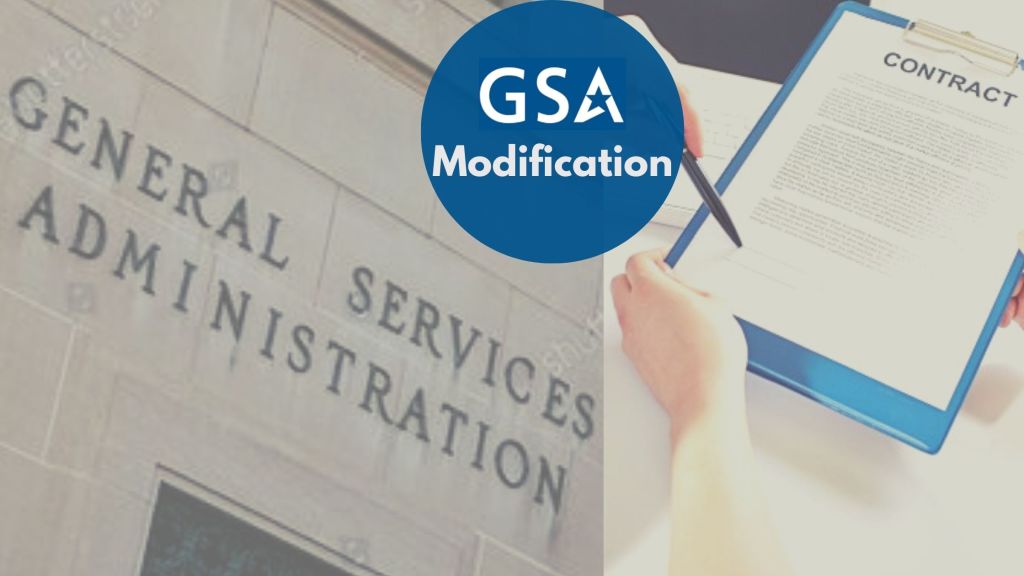
The Government Services Administration (GSA) is a department of the United States federal government responsible for the procurement and management of non-personal services and supplies for agencies of the United States federal government.
Benefits of GSA Modifications
In this post we will discuss the benefits of GSA modifications. There are a lot of GSA modifications done by various contractors. The purpose of this post is to give you some understanding of GSA modifications, how they are performed, and the benefits you will get from them.
Today’s service equipment is configured with many different electronic components that are made to protect the equipment and allow the equipment to function safely. However, GSA medical equipment is not immune from the need for modifications to conform to design standards. Such equipment modifications can be required because of the restricted areas where the equipment is located, or because of the need to ensure safe equipment operation in a way that does not interfere with the safety of patients, personnel or the surrounding areas.
 GSA Magazine